

Moving to La Paz Mexico: A Family Guide for Expats
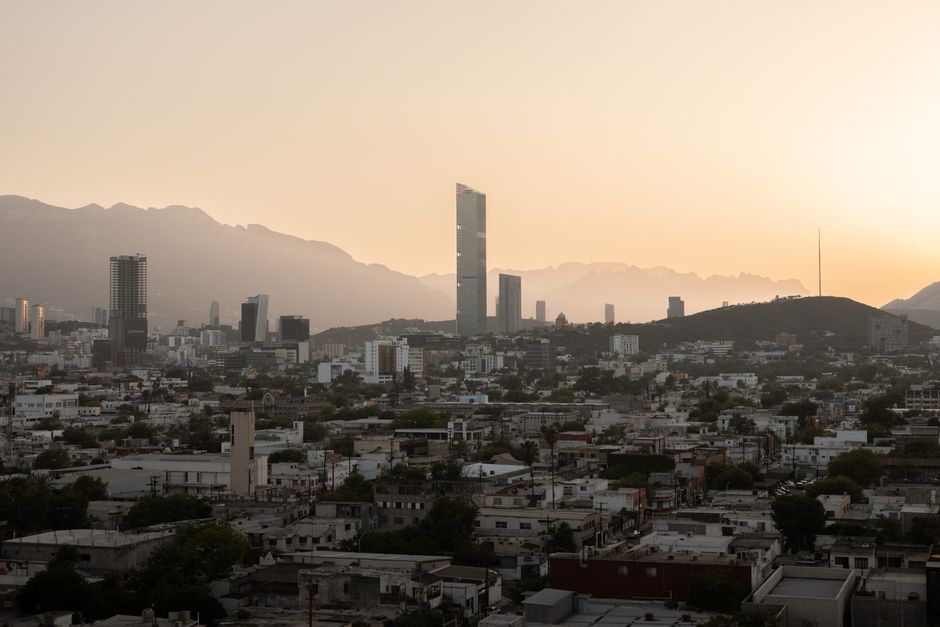
La Paz is the capital of Baja California Sur, a mid-sized coastal city with a long malecón, calm bay waters, and a pace of life that draws international families relocating from North America and Europe. It is smaller and less tourist-driven than Cabo San Lucas or Puerto Vallarta, which makes it a practical and livable choice for families who want to settle into a city rather than pass through one. For families moving to La Paz Mexico with children, that distinction shapes daily life from the first week.
Relocation with children involves more than logistics. New routines, new schools, a new language, and a new social environment all land at once. Children process that volume of change in their own time, and the first weeks after arrival are often the most demanding for parents who are managing their own adjustment while also watching their children closely. Having clear, specific information before you arrive reduces the number of decisions you need to make under pressure once you are there.
If you are new here, I'm Montse Armesto, founder of Totters Care, a pedagogy and child neurodevelopment specialist. For more than a decade, I've worked closely with children and families across Latin America, supporting them through important developmental, emotional, and life transitions. That perspective is at the heart of Totters Care, a global childcare agency for expat families, supporting international families relocating to Mexico and Latin America with thoughtful, vetted, and pedagogically grounded, child development-focused bilingual care. Many of the families we work with arrive in La Paz with children who are still processing the move, and our role is to bring a steady, familiar presence into the home while parents focus on everything else involved in settling in.
Why families are choosing La Paz Mexico
La Paz consistently ranks among the safest cities in Mexico, which is one of the primary reasons expat families choose it over larger urban centers. The city has an established international community with active networks, regular events, and enough of a social infrastructure that new arrivals can build connections relatively quickly. For families arriving without an existing local network, that community shortens the isolation period significantly.
The outdoor environment is a genuine draw, particularly for families with children. The bay offers calm, swimmable water year-round. Whale shark encounters are accessible from within the city. Hiking, diving, and kayaking are all within easy reach. Families relocating from dense urban environments often find that children take to this kind of outdoor access quickly, and the shift in daily rhythm tends to be a positive one for younger children especially.
La Paz is also smaller and more manageable than most Mexican cities where expats congregate. The downtown core is walkable. Traffic is light by comparison. The general pace of daily life is slower, which can make the early weeks of adjustment less overwhelming for families who are already carrying a high cognitive and emotional load from the move itself. A couple can live comfortably in La Paz on $2,000 to $2,500 USD per month. Families with children, accounting for private schooling, childcare, activities, and a larger home, should budget between $3,000 and $4,000 per month depending on lifestyle choices.
Best neighborhoods in La Paz Mexico for expat families
La Paz has several distinct residential areas, and each suits a different kind of family depending on priorities around walkability, space, security, and proximity to schools.
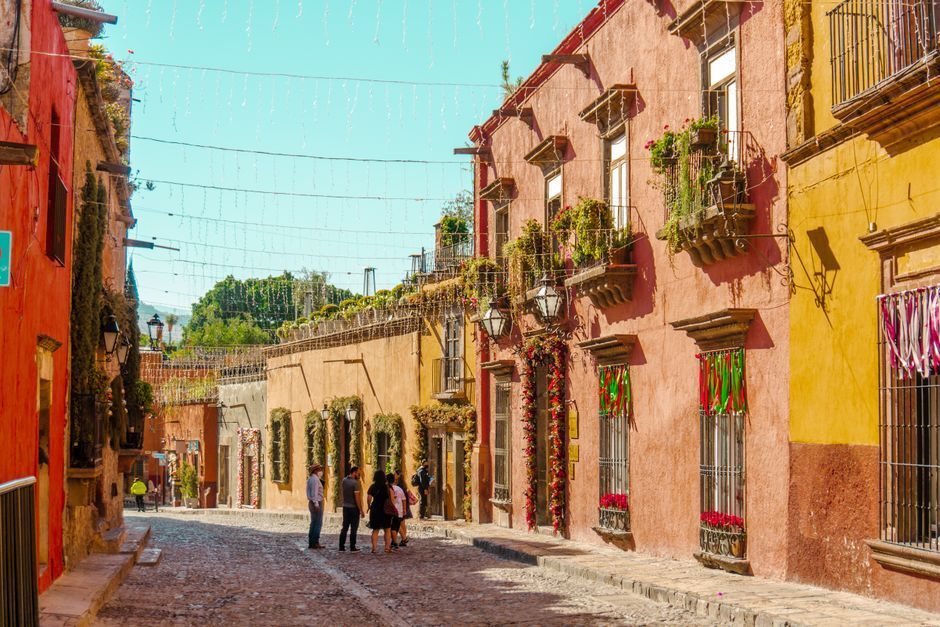
El Centro and El Esterito are walkable, authentic, and close to the waterfront. El Centro is the downtown core of La Paz. It is walkable, close to the malecón, and surrounded by restaurants, markets, and local shops. Families who prefer to handle daily errands on foot and want to be embedded in local life from the start tend to settle well here. El Esterito sits just north of Centro and has a more residential, quieter feel while remaining walkable to the waterfront and neighborhood cafes.
El Centenario is located approximately twenty minutes outside the city center and is popular among families who want more physical space. Homes are modern, lots are larger, and views of the bay are a consistent feature. For families relocating from suburban North American or European environments, El Centenario often matches the spatial logic they are already used to. The neighborhood is car-dependent, and the distance from the city center means that outings to the malecón require planning ahead.
El Pedregal is a gated community on the hills above the city, known for strong security infrastructure and views of the ocean. It is popular with both retirees and families who prioritize a controlled, secure living environment. The price point is higher than other neighborhoods in La Paz, and the hilltop location means it shares the car-dependency of El Centenario.
Fidepaz and Bellavista are modern, well-organized residential areas whose primary advantage for families is proximity to La Paz's top private schools. For families with school-age children, a short school commute simplifies morning logistics, supports after-school routines, and makes it easier for children to build friendships within the neighborhood.

Schools in La Paz Mexico for expat children
La Paz does not have purely English-speaking international schools of the kind found in Mexico City or Los Cabos. The city's top private schools deliver their curriculum primarily in Spanish with strong English immersion programs and, in some cases, internationally recognized certifications. Most expat families find that their children adjust to this model within a semester.
Colegio St. John's is the school most consistently recommended by expat families in La Paz. It offers a trilingual curriculum covering English, French, and Mandarin alongside the standard Mexican program. For families who are uncertain about how long they will remain in La Paz, or who anticipate re-enrolling children in international or home-country systems later, the trilingual structure provides a level of continuity that most schools in the city do not match.
Colegio María Fernanda is a bilingual private school with a strong reputation among expat families for being welcoming to new international students. Families describe a good balance between academic expectations and community warmth, which matters for children who are simultaneously learning a language and navigating new social dynamics.
Instituto La Paz offers substantial English integration and carries certifications from the University of Cambridge. It has a larger proportion of local Mexican students than some of the other options, which gives children more exposure to Mexican peer culture and accelerates social integration for families who want their children embedded in the local community.
Instituto Montessori Futurum operates bilingually in Spanish and English and is popular among expat families who prefer a child-centered, self-directed learning model. The methodology prioritizes autonomy and self-regulation, which can provide emotional continuity for children who are managing significant change outside of school hours.
What professional childcare costs in La Paz Mexico
For expat families relocating to La Paz, professional in-home childcare is one of the most direct investments in a smooth transition. Totters Care offers full-time, in-home childcare in two options: a Bilingual Totter (English and Spanish) at $2,235 USD per month, best for families whose children are not yet Spanish-speaking or who want language continuity during the transition, and a Spanish-Speaking Totter at $1,470 USD per month, best for families comfortable with Spanish-only care or whose children already have Spanish exposure.
Within a realistic monthly family budget of $3,800 to $6,000 USD in La Paz, professional in-home childcare from Totters Care represents between 24% and 37% of total monthly spend. For families who have chosen La Paz specifically because they want a high quality of life for their children, that proportion reflects a direct allocation toward the part of relocation that affects children most immediately.
Helping your children adjust after the move
Children experience relocation as disruption regardless of how well the move was planned or how willing they were to go. The emotional processing happens after arrival, during the weeks when routines are still forming and the new environment is still unfamiliar. Understanding what that adjustment looks like in practice helps parents respond to it with more accuracy and less worry.
Adjustment in children does not always present as obvious distress. More often it appears as clinginess, disrupted sleep, regression in younger children, or unusual quietness in older ones. Children are absorbing a high volume of new information simultaneously, and their nervous systems need time to recalibrate. That process does not follow a fixed timeline and tends to move in waves rather than a straight line.
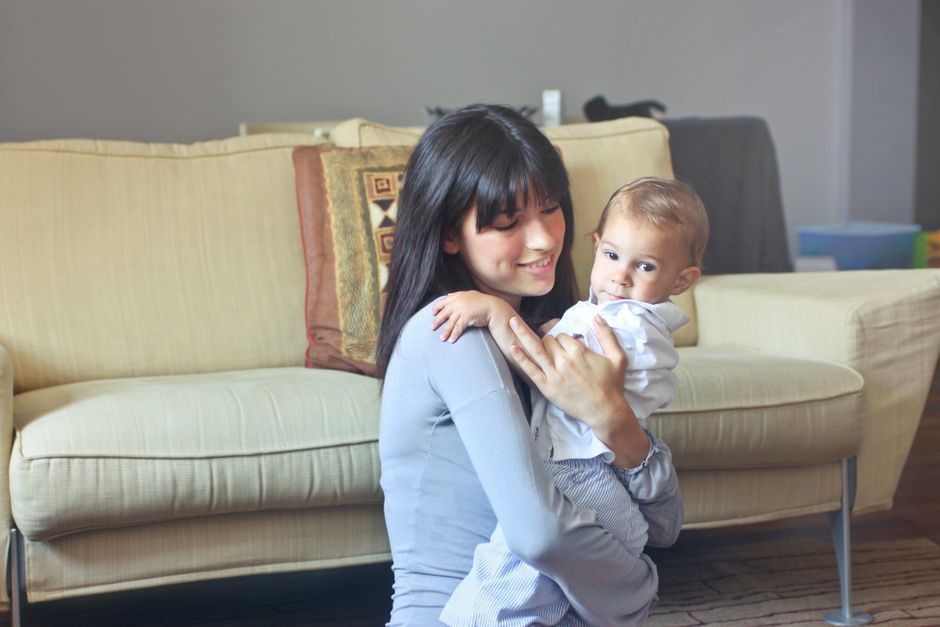
A consistent finding among families who relocate internationally is that children settle faster when parents are calmer. When parents are carrying high logistical and emotional loads, as is unavoidable in the early weeks of a move, children register that stress and their own adjustment slows accordingly. Having reliable, professional support in the home during the transition period reduces the load on parents directly, which has a downstream effect on how quickly children find their footing.
Practical things to sort before you settle in
On housing: furnished rentals are the most practical option for families arriving with children. They reduce setup demands during the first months and allow families to trial a neighborhood before committing to it long-term. Most expats recommend a short-term furnished rental as the first step, with a longer-term decision made only after a few weeks of lived experience in the city.
On healthcare: La Paz has quality private hospitals and clinics. Most expat families use private international health insurance rather than the public IMSS system. Arranging that coverage before arrival is one of the most important preparatory steps, as arriving without it adds a layer of risk during an already demanding period.
On visas: Residente Temporal is the standard path for relocating families and is valid for one to four years with renewal available. Permanent residency becomes available after four years of continuous legal residence. On banking: most expats maintain home-country accounts and use transfer services such as Wise or Revolut for everyday transactions.
At Totters Care, we work with international families arriving in Mexico to provide steady, professional childcare during the transition period so children have a trusted adult in the home from day one and parents have the bandwidth to focus on everything else. If you are looking for a trusted nanny in La Paz, Baja California Sur, we support expat families throughout La Paz, El Centro, El Centenario, El Pedregal, Fidepaz, Bellavista, and surrounding areas of Baja California Sur. Book a consultation today.

Hello I ´m Montse Armesto
Pedagogue & Child Development Specialist, focused on Child Neuropsychology and Neurodevelopment. Certified in Positive & Gentle Parenting.
At Totters, we believe childcare can be so much more than supervision. By combining child development science and evidence-based early childhood practices, we create enriching in-home experiences that support children’s learning, confidence, curiosity, and overall development.
Download my free guide



Disclaimer:
All advice is not legal advice and consult with your local entities for accurate data the blog is for informational purposes only
Some of the links on this page may be affiliate links, though not all of them are. This means we may earn a small commission if you use certain links, at no extra cost to you. We only include services or resources we believe may be useful, but you should always compare options and choose what works best for your situation.