





How Caregivers Shape Development: 5 Ways Beyond Supervision

June 22, 2026

What is the caregiver’s role in child development?

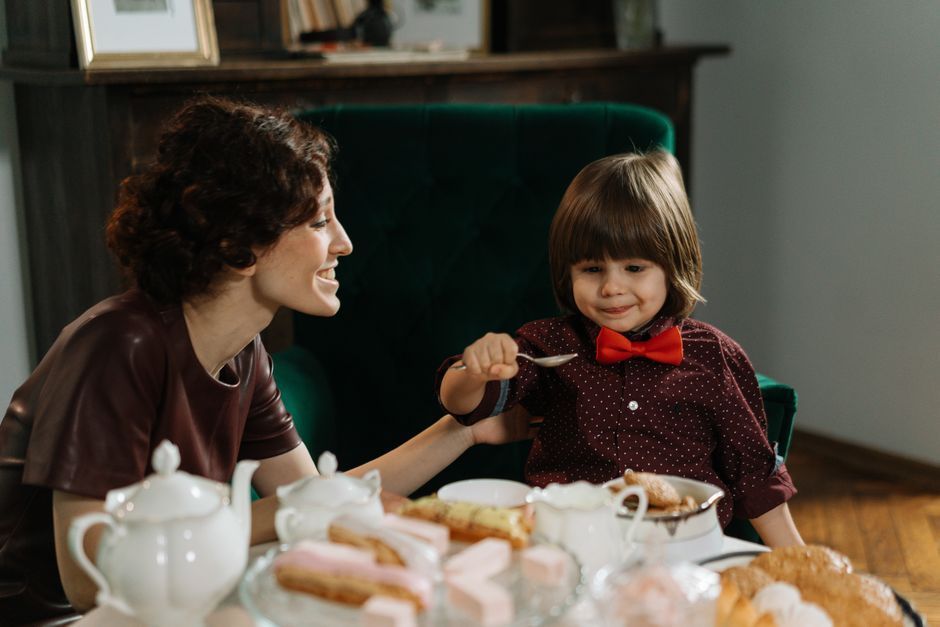
For many families, the term "childcare" often conjures images of basic safety, ensuring a child is fed, rested, and kept out of harm's way. However, for parents who prioritize a child-centered approach , the role of a caregiver is fundamentally transformative. The primary caregiver influence on child development stems from the quality of daily interactions, often referred to by neuroscientists as "serve and return." When a child reaches out for interaction through babbles, gestures, or words, and a caregiver responds with focused attention and warmth, neural connections are literally being built in the child's brain.

This process is the bedrock of early childhood development. A professional caregiver acts as a co-regulator for a child's nervous system. Because young children do not yet have the biological tools to manage big emotions or complex sensory inputs, they rely on the adult's calm, organized presence to help them find balance. This isn't just about "keeping them quiet"; it’s about teaching the brain how to return to a state of calm after stress. Over time, this consistent support allows the child to develop their own self-regulation skills, which are critical for academic success and social harmony later in life.

Beyond emotional regulation, caregivers facilitate the acquisition of language and cognitive skills. Every conversation, every shared story, and every narrated activity serves as a building block for literacy. In a high-quality in-home nanny setting, the environment is curated to be a laboratory for discovery. The caregiver doesn't just watch the child play; they scaffold the experience, asking open-ended questions that prompt the child to think critically and solve problems. This active participation shifts the dynamic from passive supervision to active, intentional development.


Before we continue, I'm glad you're here.


My name is Montse Armesto, founder of Totters. As someone who has spent years studying child development and working closely with families, I understand how much thought goes into every decision parents make for their children. Whether you're exploring childcare options, looking for guidance, or simply learning more about child development, I hope the information you find here helps you feel more informed and supported.

How does professional childcare support neurodevelopment?

Neurodevelopment is not a passive process that happens automatically; it is heavily influenced by the environment and the people within it. Professional childcare that is grounded in neurodevelopmental principles focuses on the "windows of opportunity" where the brain is most plastic. During these early years, the brain is forming upwards of one million new neural connections every second. A caregiver who understands this can provide the specific types of stimulation that support executive function, memory, and attention.

Developmental play

One of the most profound ways professional childcare supports this growth is through the reduction of toxic stress. While some stress is a normal part of life, prolonged activation of the stress response system without the buffering support of a caregiver can impair brain architecture. A nurturing caregiver provides that buffer, ensuring the child feels safe enough to move from a state of survival (fight or flight) into a state of learning. When a child feels safe, their prefrontal cortex, the area of the brain responsible for high-level thinking, is able to engage and grow.

Furthermore, neurodevelopmental support involves:

  • Sensory integration through structured tactile and motor play.
  • Language enrichment that goes beyond basic commands to include complex vocabulary.
  • Consistent routines that provide a sense of temporal order and security.
  • Encouragement of autonomy to strengthen the brain's decision-making circuits.
  • Cognitive challenges tailored to the child's specific developmental milestone.

Building Confidence Through Responsive Caregiving

Confidence is not an inherent trait; it is a byproduct of a secure attachment. When a caregiver is consistently responsive to a child’s needs, the child develops a "secure base." This internal sense of security allows them to explore the world with curiosity rather than fear. At Totters, we believe that responsive caregiving is the most effective way to foster independence. If a child knows they have a reliable adult to return to when things get difficult, they are more likely to take the healthy risks necessary for growth, such as trying a new skill or navigating a social conflict.

This confidence extends into the child’s perception of their own competence. A caregiver who uses a child-centered approach validates the child's efforts rather than just their results. Instead of saying "Good job," they might say, "I saw how hard you worked to balance those blocks." This subtle shift encourages a growth mindset, teaching the child that their persistence is what leads to success. In the long run, this builds a resilient personality capable of facing challenges with a sense of agency and self-assurance.

Why is bilingual care beneficial for early cognitive growth?

In our increasingly globalized world, many affluent families seek bilingual childcare not just for the linguistic advantage, but for the profound cognitive benefits it provides. The influence of caregivers who speak multiple languages extends deep into the brain's executive control system. Children raised in bilingual environments often show enhanced "cognitive flexibility," which is the ability to switch between different tasks or ways of thinking.

Bilingual interaction

Research suggests that the effort required to manage two language systems strengthens the brain's ability to focus while ignoring distractions. This "bilingual advantage" can manifest as better problem-solving skills and higher levels of empathy, as the child must constantly consider which language is appropriate for their listener. When a caregiver provides this immersion naturally through play and daily routines, the child absorbs the second language without the stress of formal instruction, making the most of the brain's early neuroplasticity.

Bilingual caregivers also introduce a cultural richness that broadens a child’s perspective from a young age. This exposure to different sounds, rhythms, and cultural contexts fosters a sense of global citizenship and openness. It isn't just about learning words; it's about learning that there are multiple ways to describe and experience the world. This early exposure to diversity is a key component of emotional intelligence and social awareness.

The Impact of Empathetic Modeling on Social Skills

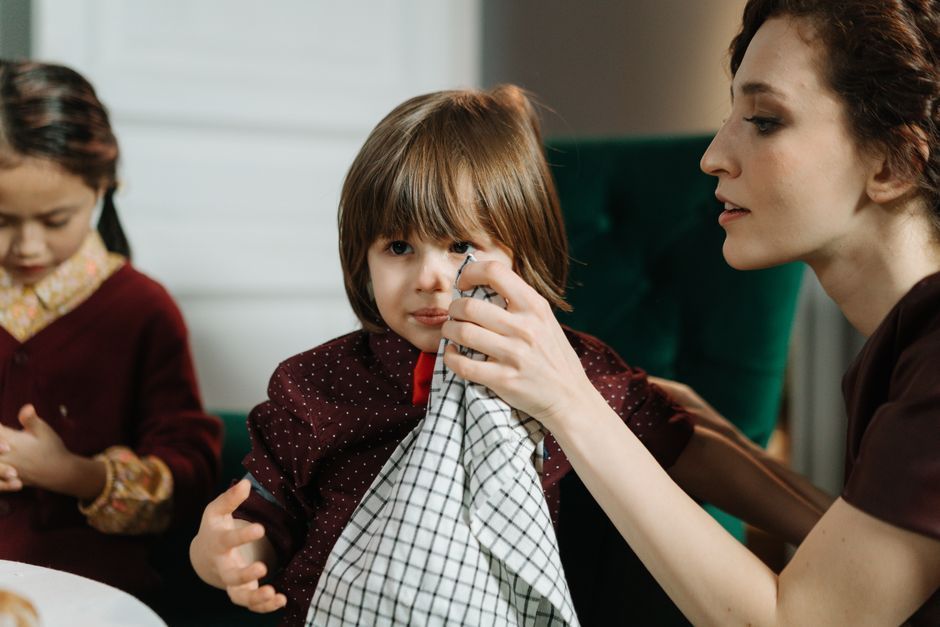
Children are natural mimics. They learn how to navigate the world by watching the adults closest to them. Therefore, a caregiver’s own emotional intelligence and behavior are among the strongest influences on a child's social development. An empathetic caregiver doesn't just tell a child to be kind; they model kindness in every interaction. They demonstrate how to listen actively, how to express feelings constructively, and how to repair a relationship after a misunderstanding.

When a caregiver uses empathy to guide a child through a tantrum or a conflict with a peer, they are teaching social-emotional literacy. They help the child put names to their feelings (anger, frustration, sadness) which is the first step in managing those feelings. This modeling is far more effective than traditional discipline because it addresses the root of the behavior rather than just the symptom. Over time, the child internalizes these empathetic responses, leading to stronger friendships and a more compassionate worldview.

5 Key Traits of a Growth-Oriented Caregiver

Identifying the right support for your family means looking for specific professional traits that go beyond basic qualifications. A caregiver who truly understands their influence on child development will demonstrate:

  1. Observational Skills : The ability to read subtle cues and adjust their approach to meet the child’s current state.
  2. Professionalism and Reliability : Maintaining high standards of communication and consistency to provide a stable environment.
  3. Neurodevelopmental Knowledge : An understanding of how the brain grows and what activities support specific milestones.
  4. Empathetic Warmth : A genuine connection that makes the child feel seen, heard, and valued as an individual.
  5. Organizational Excellence : The capacity to manage routines and environments that foster both safety and exploration.
Professional communication

The choice of a caregiver is one of the most significant decisions a parent can make.

The caregiver influence on child development is profound, affecting everything from brain architecture to emotional resilience. By moving beyond the idea of "supervision" and embracing a model of developmental support, families can provide their children with a powerful foundation for the future. Whether it is through bilingual immersion, neurodevelopmental play, or empathetic modeling, the right caregiver becomes a vital partner in your child's growth.

If you are ready to elevate your family's support system, we invite you to explore how our specialized approach can benefit your child. You can contact us today to discuss your needs.

Hello I ´m Montse Armesto

Pedagogue & Child Development Specialist, focused on Child Neuropsychology and Neurodevelopment. Certified in Positive & Gentle Parenting.


At Totters, we believe childcare can be so much more than supervision. By combining child development science and evidence-based early childhood practices, we create enriching in-home experiences that support children’s learning, confidence, curiosity, and overall development.

Download my free guide

Moving to Guadalajara, Mexico
July 2, 2026
Moving to Guadalajara, Mexico, with your family? Honest expat insights on safety, cost of living, best neighborhoods, flights, and raising kids in GDL.
confident children
By Montserrat Armesto June 24, 2026
Learn how confidence develops in children and what research says about independence, resilience, self-worth, and the everyday experiences that help children thrive.
development-focused childcare
June 22, 2026
Explore why high-achieving parents build strong support systems with developmental focus childcare to balance career and family success.
By Montserrat Armesto June 20, 2026
Evidence-based insights on how parents can help their children build confidence through daily interactions, meaningful responsibility, and responsive relationships.
Professional caregiver
June 20, 2026
Learn how to choose exceptional in-home childcare with our expert guide. Focus on neurodevelopment, bilingualism, and professional standards for your child.
 positive discipline
June 20, 2026
Learn how positive discipline builds deep connections. Discover 5 expert strategies for empathetic, child-centered care from Totters, designed for intentional parents.

Disclaimer:

All advice is not legal advice and consult with your local entities for accurate data the blog is for informational purposes only

Some of the links on this page may be affiliate links, though not all of them are. This means we may earn a small commission if you use certain links, at no extra cost to you. We only include services or resources we believe may be useful, but you should always compare options and choose what works best for your situation.