

How confident children are raised: what research tells us about independence, resilience, and self-worth
You are watching your child try to do something that would take you three seconds.
Maybe they are trying to put on their shoes before school. Maybe they are pouring water into a cup, very slowly, with both hands around the pitcher. Maybe they are standing at the edge of a playground, wanting to join a group of children but unsure how to begin. You can see the effort on their face. You can also see the frustration coming.
Every part of you wants to help.
You want to make the morning easier. You want to prevent the spill. You want to spare them the awkwardness of walking up to another child and not knowing what to say. You want them to feel capable, secure, happy, and ready for the world. Sometimes helping feels like love, because very often it is.
Then there are moments when you pause, even for a few seconds, and wonder whether something important is happening inside the struggle.
How do children become confident?
For mothers who think deeply about their children’s future, confidence can feel like one of the most important qualities to nurture. You want your child to walk into new situations with a sense of ease. You want them to try difficult things without falling apart when they are not immediately good at them. You want them to know how to ask for help, how to recover from mistakes, how to speak up, how to trust themselves, and how to feel loved without needing constant reassurance from the outside.
Child development research suggests that this kind of confidence is built gradually. It grows through secure relationships, age-appropriate independence, repeated chances to solve small problems, and the experience of being supported by adults who believe in a child’s ability to grow.
Your child is not building confidence only in the big milestone moments. They are building it in the ordinary parts of the day: getting dressed, choosing between two options, helping clean up, trying again after a tower falls, greeting someone new, waiting for a turn, naming a feeling, repairing a mistake, and discovering that frustration can pass.
Over time, these small experiences begin to shape a child’s inner sense of self. I am safe. I can try. I can learn. I can ask. I can recover. I matter.
Before we continue, I want to introduce myself: I am Montse Armesto, founder of Totters. I created Totters because I believe childcare plays an important role in a child’s development, confidence, and overall well-being. You can learn more about our childcare service here.
Confidence begins with feeling secure
Before children can move confidently into the world, they need to feel safe within their closest relationships. A young child explores best when they know there is a steady adult nearby emotionally, physically, or both.
This is the foundation of what attachment research has described for decades. Children use trusted adults as a secure base. When your child knows that you are available, responsive, and emotionally steady, they can begin to take small steps away from you and into the world.
You may see this at a birthday party, in a new classroom, or on the first day with a caregiver. Your child may stay close at first. They may need to watch before joining. They may check your face before deciding whether the room feels safe. This is not a lack of confidence. It is often part of how confidence begins.
A securely supported child learns that independence does not mean being alone. It means having enough trust to explore.
This is why warmth and responsiveness matter so much. The child who is comforted when upset, listened to when confused, and guided calmly through transitions is learning that the world is manageable. When that feeling is repeated, it becomes easier for the child to try.
Your presence, and the presence of other trusted adults, becomes part of the courage your child carries.
Independence grows in small, age-appropriate steps
Independence does not arrive all at once. It develops through many small responsibilities that match a child’s age and stage.
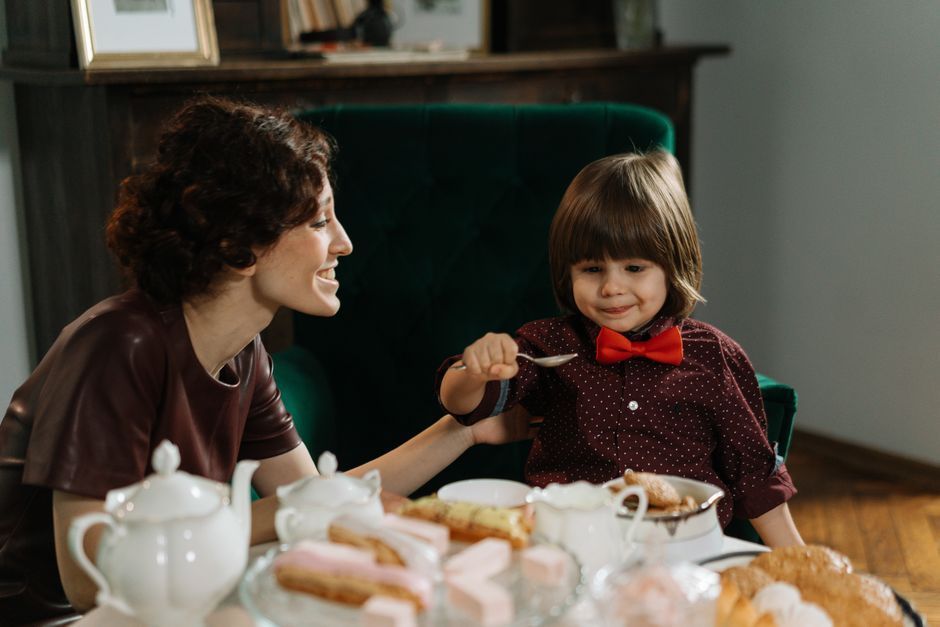
For a toddler, independence may look like carrying a napkin to the table or choosing between two shirts. For a preschooler, it may be putting shoes in the same place each day, helping pour batter, feeding a pet with supervision, or saying their name when introduced. For an older child, it may be packing part of a backpack, ordering at a restaurant, or remembering what they need for an activity.
These tasks may seem simple. To your child, they are practice in agency.
When your child is allowed to participate in daily life, they begin to experience themselves as capable. They learn that their actions matter. They learn that they can contribute. They learn that trying is part of belonging.
The role of the adult is not to step away completely. Young children still need structure, modeling, reminders, and help. The most confidence-building support often sounds like, “You try this part, and I’ll help with the rest.” It might look like starting the zipper and letting your child pull it up, holding the bowl steady while they stir, or giving them the words to enter play before they try using those words themselves.
This kind of support keeps your child involved. They are not simply being managed through the day. They are practicing how to move through the day with growing competence.
Children believe in themselves through experience
Confidence is closely connected to competence. Children begin to believe they can do things because they have had repeated experiences of doing things, or at least making progress.
Praise has its place. Your child benefits from feeling seen and encouraged. Yet the deepest confidence often comes from lived evidence. They tied the knot after many tries. They asked the question. They climbed one step higher. They helped solve the disagreement. They cleaned up the spill. They calmed down and returned to play.
These experiences become part of your child’s inner record.
When a new challenge appears, your child is not starting from nothing. They have a history, even if they cannot explain it in words. They know what it feels like to struggle and continue. They know what it feels like to need help without giving up. They know what it feels like to be proud of effort that belongs to them.
This is why everyday skills matter so much. Pouring water, putting away toys, helping prepare food, caring for belongings, and participating in routines are not only practical tasks. They are opportunities for your child to develop coordination, patience, responsibility, and self-trust.
A child who is always served may miss some of the pride that comes from contributing. A child who is always rescued may have fewer chances to discover that effort can lead somewhere.
For a mother who works hard to give her child the best, this can be a meaningful shift in attention. Enrichment, beautiful environments, strong schools, and meaningful experiences can all support development. So can the quiet, ordinary moments when your child is allowed to do something imperfectly, slowly, and with support.
Resilience is practiced in ordinary frustration
Every parent wants their child to be resilient. You want your child to recover from disappointment, adapt when plans change, keep going when something is hard, and handle the emotional complexity of growing up.
For young children, resilience is not built through being left to struggle alone. It is built through manageable challenges in the presence of caring adults.
A child loses a game and feels angry. A parent helps name the feeling and stay with the disappointment. A child wants a toy another child is using. A caregiver helps them find words, wait, negotiate, or move on. A child feels nervous before a new class. An adult prepares them gently and helps them take the next step.
These moments are not disruptions to a child’s development. They are the material of development.
Your child learns that feelings can be strong without being dangerous. Mistakes can be repaired. Disappointment can be survived. Help can be requested. A hard moment can become easier with time, language, and support.
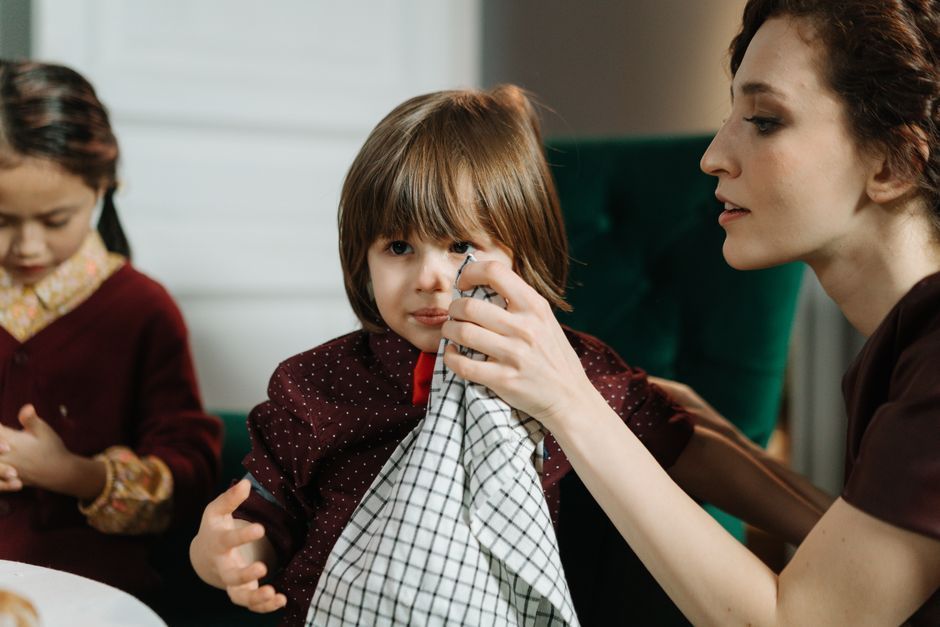
The adult response matters deeply. When your child spills a drink, the message they receive depends on what happens next. “Let’s get a towel” teaches responsibility without shame. It tells your child that mistakes are part of life and can be addressed. A harsh or panicked response may teach the child something different about what mistakes mean.
Children are always forming conclusions about themselves. Am I careful? Am I a problem? Am I capable of fixing things? Do adults trust me? Can I handle hard moments?
The answers are shaped slowly, through repetition.
The way adults help shapes how children see themselves
Your child reads adult reactions with extraordinary sensitivity. Your tone, your timing, your facial expression, and your willingness to wait all become information.
When an adult steps in immediately, a child may learn that the adult does not expect them to manage. When an adult stays close and gives room to try, the child receives a different message: this may be hard, and you are capable of participating.
Help is essential. Children need help every day. The question is how that help is offered.
Taking over can solve the task quickly. Scaffolding helps the child stay engaged in the task. You can hold the shoe while your child pushes their foot in. You can begin the sentence and let your child finish. You can model how to ask for a turn, then let your child practice. You can sit beside them during a puzzle without placing every piece yourself.
This kind of adult support protects the child’s sense of agency.
It also supports self-worth. Your child’s confidence is not only about performance or independence. It is also about feeling respected as a person. When your child is listened to, corrected without humiliation, and allowed to have feelings while limits remain firm, they learn that their inner world matters.
A child who feels valued does not need to be treated as perfect. Children can be guided, corrected, and held accountable in ways that preserve dignity. This matters because self-worth is built in the emotional tone of daily life.
Too much assistance can limit practice
Highly involved mothers often help because they are loving, perceptive, and aware of how much is at stake. You know when your child is tired. You know when the morning is tight. You know when a meltdown is near. You know how quickly one small task can turn into a family-wide delay.
There will always be moments when doing it for your child makes sense. No child’s confidence depends on one rushed morning or one parent tying the shoes to get everyone out the door.
Patterns matter.
When children are rarely given the chance to try, they lose practice with persistence, problem-solving, coordination, communication, and emotional regulation. When adults smooth every obstacle too quickly, children may have fewer opportunities to learn that frustration is part of learning.
Your child does not need artificial hardship. Daily life already offers enough age-appropriate challenge. The opportunity is to notice which small difficulties your child is ready to meet with support.
They can carry the small bag. They can help clean the table. They can try saying hello. They can put the blocks away. They can attempt the first step before you complete the rest. They can sit with the feeling of not getting something right away, especially when a calm adult is nearby.
These moments may not look impressive. They are often the experiences that build real confidence.
Routines help children feel capable
Routines give children a map. When your child knows what comes next, they can begin to participate with less prompting and more ownership.
The morning rhythm, the bedtime rhythm, the after-school rhythm, the way the family prepares for meals, the way toys are cleaned up, the way goodbye happens with a caregiver or teacher, all of these predictable patterns help children feel oriented.
A child who knows the routine can begin to take part in it. Pajamas go in the basket. Shoes go by the door. The lunchbox goes on the counter. Books go back on the shelf. The light is turned off after the story.
These small acts create a sense of capability. They also create belonging.
Children want to matter in the lives of the people they love. When they are given meaningful responsibilities, they begin to see themselves as contributors. This is especially important for children whose days are full of adult-led experiences. A child who is often transported, scheduled, instructed, and entertained also benefits from moments where they can act with agency.
Choice plays an important role here. Limited choices help your child practice decision-making without becoming overwhelmed. “Do you want the blue cup or the green cup?” “Would you like to brush teeth before pajamas or after?” “Which book should we read first?”
The options are simple. The message is powerful: your voice matters, and you can make choices.
The adults around your child matter
You may be the center of your child’s world, but you are not the only adult shaping it.
Caregivers, teachers, grandparents, coaches, household support, and other trusted adults all become part of your child’s developmental environment. The way these adults speak to your child, respond to frustration, encourage independence, set limits, and notice effort contributes to your child’s developing sense of self.
A young child does not separate care from learning. Snack, play, cleanup, conflict, transitions, and rest are all part of how a child learns who they are.
Does this adult listen when I speak? Do they expect me to try? Do they help me calm down? Do they make room for my curiosity? Do they guide me when I make a mistake? Do they see what I am capable of becoming?
These questions are answered in hundreds of small interactions.
For an intentional mother, this is one of the most important considerations in choosing who spends time with her child. The adults around your child are not only supervising hours. They are shaping habits, language, emotional patterns, and self-beliefs.
They do not need to be identical to you. Children can benefit from a variety of trusted adults. What matters is that the people close to your child share a respect for childhood, a warm and steady communication style, and a thoughtful understanding of how independence and confidence develop.
How Totters supports confidence through everyday care
This is the lens Totters brings to caregiving.
Totters understands that confidence is supported through ordinary interactions repeated over time. A caregiver’s role is not only to keep a child occupied. It is to notice the moments when a child can be invited into growth: trying a task, naming a feeling, joining play, solving a small problem, helping with a routine, communicating a need, or recovering after frustration.
Totters caregivers understand child development and intentionally support independence, curiosity, communication, emotional growth, and confidence through the rhythm of daily care.
That can look like giving your child time to try before stepping in. It can look like using warm, clear language during a difficult moment. It can look like building routines that help your child feel capable. It can look like encouraging responsibility in ways that feel appropriate for your child’s age. It can look like treating your child’s emotions with respect while still holding boundaries.
For many families, this is what makes caregiving feel aligned with the values they are building at home. You are not only looking for someone kind. You are looking for someone who understands that the small moments matter.
A caregiver who sees development in the everyday understands that shoes, snacks, play, cleanup, and goodbyes are not minor details. They are opportunities for your child to practice confidence in a safe relationship.
Totters becomes part of a family’s support system in this way: a trusted extension of the care, respect, and intentionality you want surrounding your child.
Confidence is built in the life your child practices
Your child’s confidence will not come from one perfect lesson. It will be shaped by the life they practice every day.
They practice trying. They practice choosing. They practice helping. They practice waiting. They practice speaking. They practice listening. They practice feeling upset and becoming calm again. They practice making mistakes and repairing them. They practice needing support while still discovering their own capability.
The environments around your child matter because they are where that practice happens. Home matters. School matters. Caregiving matters. The tone of the adults matters. The routines matter. The opportunities to participate matter.
The next time your child struggles with a shoe, reaches carefully for the pitcher, hesitates before saying hello, or insists on doing something alone, the moment may still be inconvenient. It may still take longer than you hoped. It may still ask more patience from you than the day seems to allow.
It may also be one of the small moments through which your child begins to learn: I can try. I can ask for help. I can recover. I can contribute. I can grow.
That is how confidence takes shape over time, in the care of adults who understand how much the everyday matters.
At Totters, we provide developmentally informed, emotionally aware childcare designed to support children’s growth through responsive relationships, thoughtful interactions, and individualized care. Our caregivers understand that everyday moments contribute to confidence, independence, communication, emotional regulation, and lifelong learning.
If you’re looking for childcare that supports your child’s development while reflecting the values you bring to parenting, we’d love to connect with you. Contact us here.

Hello I ´m Montse Armesto
Pedagogue & Child Development Specialist, focused on Child Neuropsychology and Neurodevelopment. Certified in Positive & Gentle Parenting.
At Totters, we believe childcare can be so much more than supervision. By combining child development science and evidence-based early childhood practices, we create enriching in-home experiences that support children’s learning, confidence, curiosity, and overall development.
Download my free guide




Disclaimer:
All advice is not legal advice and consult with your local entities for accurate data the blog is for informational purposes only
Some of the links on this page may be affiliate links, though not all of them are. This means we may earn a small commission if you use certain links, at no extra cost to you. We only include services or resources we believe may be useful, but you should always compare options and choose what works best for your situation.