

Positive Discipline: 5 Ways to Build Stronger Connections
Positive discipline is an empathetic parenting framework that replaces punitive measures with teaching and mutual respect. It focuses on understanding the underlying "why" of a child’s behavior, using connection-based strategies to foster long-term self-discipline, emotional intelligence, and a resilient parent-child relationship built on trust and healthy development.
What is the core philosophy of positive discipline?
At its heart, positive discipline is not about being "permissive" or letting children do whatever they want. Instead, it is a method grounded in the belief that children (and adults) do better when they feel better. For many of the high-achieving families we serve at Totters, who are accustomed to excellence and efficiency in their professional lives, shifting to this philosophy requires a change in perspective: moving from "how do I make my child stop doing this?" to "what is my child trying to communicate through this behavior?"
Positive discipline is based on the work of Alfred Adler and Rudolf Dreikurs, who emphasized the importance of a sense of belonging and significance. When a child feels connected to their caregivers and feels that their contributions matter, they are naturally more inclined to cooperate. In a professional household where schedules are tight and expectations are high, maintaining this sense of belonging can sometimes feel like a challenge. However, the core philosophy suggests that by treating a child with the same respect you would offer a colleague, while maintaining the firm boundaries of a mentor, you create an environment where the child can thrive.
This approach avoids shame, blame, and pain. It recognizes that traditional punishments like time-outs or taking away toys often lead to resentment and rebellion rather than true learning. By focusing on teaching and guiding, positive discipline builds the internal compass a child needs to navigate the world independently as they grow.
Why is connection the foundation of child development?
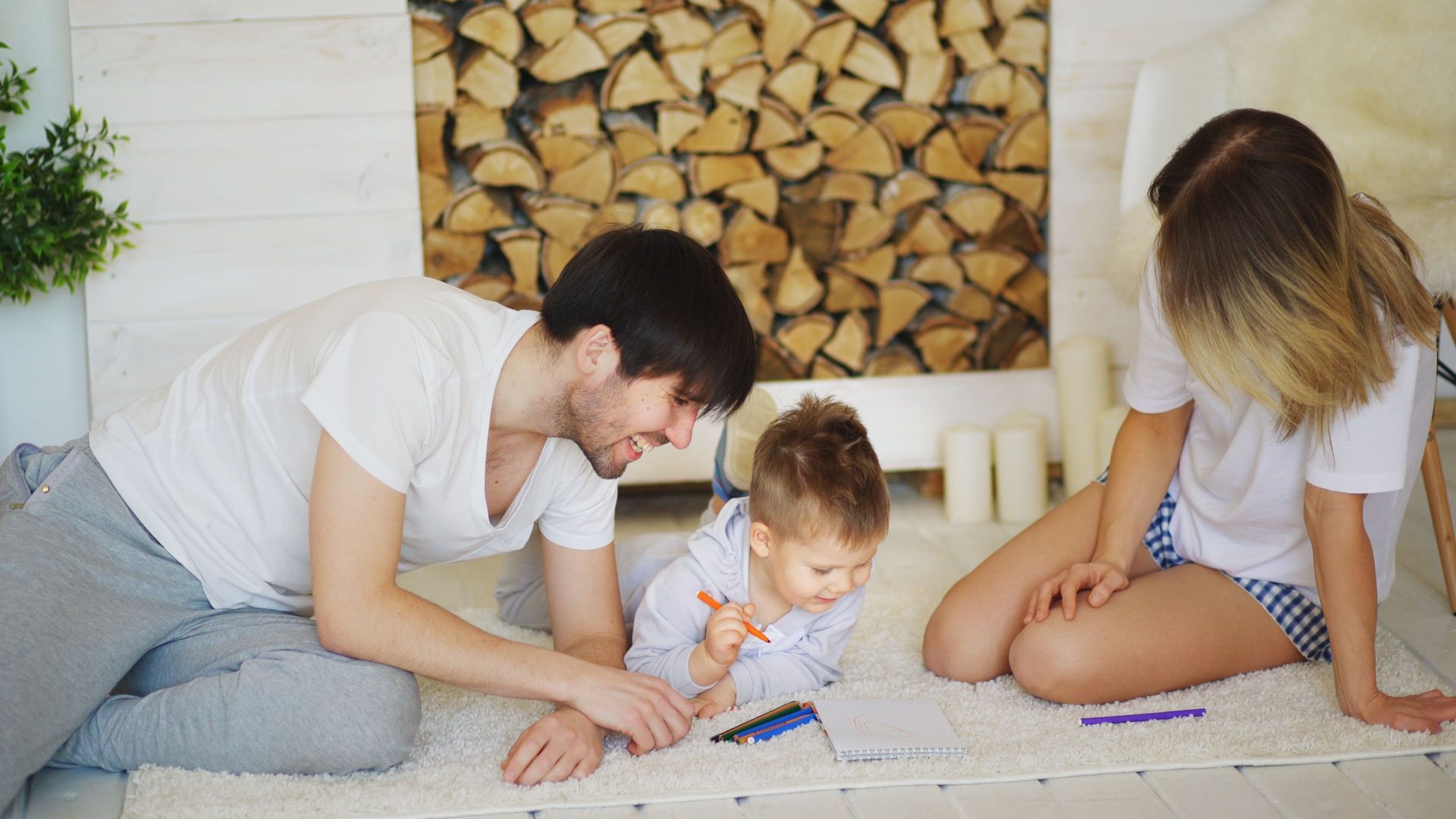
Connection is the biological prerequisite for influence. From a neurodevelopmental perspective, a child’s brain is wired to seek safety and proximity to their primary caregivers. When a child feels disconnected, perhaps because of a busy work week or a tense moment, their nervous system enters a state of "fight, flight, or freeze." In this state, the prefrontal cortex (the part of the brain responsible for logic, reasoning, and impulse control) essentially goes offline.
You cannot teach a child whose brain is in a state of alarm. This is why connection must always come before correction. For our families, understanding this biological reality is crucial. Just as you wouldn't expect a patient to recover in a high-stress, unstable environment, you cannot expect a child to learn new behaviors if they don't feel emotionally secure.
Building a strong connection involves:
- Maintaining consistent eye contact during interactions.
- Using a soft, modulated tone of voice.
- Practicing active listening without immediate judgment.
- Validating the child’s emotions, even if you disagree with the behavior.
- Engaging in shared joy and play daily.
By prioritizing these elements, you are not just "being nice"; you are literally building the neural pathways that allow for emotional regulation. This foundation makes every other part of parenting significantly more effective.
5 pillars of positive discipline for busy families
Implementing positive discipline doesn't require hours of extra time; it requires intentionality. For parents who are balancing demanding careers, these five pillars provide a roadmap for maintaining high standards of behavior while deepening the parent-child bond.
1. Active validation of emotions
Before you address a behavior, you must address the emotion behind it. If a child is screaming because it’s time to leave the park, saying "I see you’re really frustrated because you were having so much fun" does more than just calm them down. It tells the child that you are on their side. Once they feel heard, their nervous system relaxes, and they are far more likely to listen to your instruction to get into the car. This is the cornerstone of our approach at Totters.
2. Collaborative problem-solving
Instead of handing down edicts, involve your child in the solution. If morning routines are a struggle, sit down (during a calm time, not in the heat of the moment) and ask, "We've been having a hard time getting out the door on time. What can we do together to make mornings easier?" This fosters a sense of agency and teaches them the critical life skill of negotiation and problem-solving. For children of high-performing parents, this mirrors the collaborative environments they will one day lead.
3. Kind and firm boundaries
Positive discipline is often misunderstood as being soft. On the contrary, it is incredibly firm. The difference lies in the delivery . A firm boundary sounds like: "I won't let you hit me. I’m going to move your hands to keep us both safe. We can use our words or a pillow if we are angry." You are stopping the behavior (firm) while maintaining respect for the child’s personhood (kind). Consistency in these boundaries provides the safety a child needs to explore their world.
4. Focus on natural and logical consequences
Move away from arbitrary punishments. If a child spills juice, the logical consequence is that they help clean it up. If they refuse to wear a coat, the natural consequence is that they feel cold. This teaches the direct relationship between actions and outcomes. It removes the parent as the "villain" and allows the world to be the teacher, with the parent acting as a supportive coach.
5. Prioritizing "Special Time"
For busy professionals, quality often trumps quantity. Just 10 to 15 minutes of "Special Time", where the child chooses the activity and the parent is 100% present (no phones, no work talk), can drastically reduce attention-seeking behaviors. This scheduled connection acts as a preventative measure, filling the child's "emotional cup" so they don't feel the need to overflow through misbehavior.
How can you handle tantrums with empathy?
Tantrums are not manipulations; they are emotional storms. When a child has a tantrum, they are communicating that their internal resources have been exceeded. For the parent, the goal during a tantrum is not to stop it as quickly as possible, but to "ride the wave" with the child.
As an in-home nanny service , we train our professional caregivers to remain the "calm center" of the storm. If you get angry during a tantrum, you are essentially pouring gasoline on a fire. Instead, try these steps:
- Check your own pulse: Take a deep breath. Remind yourself that this is not an emergency.
- Ensure safety: Move the child away from sharp corners or stairs.
- Offer presence: Stay close. Some children want a hug; others want space but need to know you are there. Say, "I’m right here when you’re ready."
- Wait for the calm: Do not try to reason or teach while they are mid-meltdown.
- Reconnect and repair: Once the storm passes, offer a hug and then briefly discuss what happened. "You were so mad! Let's think of a different way to show that next time."

The science of neurodevelopment in discipline
To truly appreciate positive discipline, we must look at the neurobiology of the developing brain. A child’s brain develops from the bottom up. The brainstem (survival) and the limbic system (emotions) are well-developed early on, but the prefrontal cortex (the "executive suite" of the brain) isn't fully mature until the mid-twenties.
When we use fear-based discipline, we trigger the survival brain. This might get immediate compliance, but it does so by sacrificing the development of the higher brain functions. Over time, chronic stress from punitive discipline can actually alter the architecture of the brain, making it harder for children to regulate their emotions as they get older.
At Totters, our approach is grounded in these neurodevelopmental principles. We understand that a three-year-old’s "defiance" is often just a lack of impulse control, a biological reality, not a character flaw. By using positive discipline, we are supporting the growth of the prefrontal cortex, helping children build the "muscles" they need for empathy, foresight, and self-control. This is why our professional childcare focuses so heavily on co-regulation, where the adult uses their calm state to help the child find theirs.
The Totters guide to empathetic caregiving
How does this look in daily life when you aren't home? Our caregivers are more than just supervisors; they are developmental partners. They bring the same level of organization and professionalism to your home that you bring to your boardroom, but with the warmth and empathy required for child-centered care.
A Totters caregiver utilizes positive discipline by:
- Setting clear expectations: Before a transition or a playdate, they walk the child through what will happen and what is expected.
- Using "Positive Reframing": Instead of saying "Don't run," they say "Please use your walking feet." This gives the child a clear instruction of what to do.
- Encouraging Autonomy: They look for ways to let the child lead, whether it’s choosing which book to read or which shirt to wear, reducing power struggles.
- Modelled Behavior: Children learn by watching. Our caregivers model the patience, respect, and emotional regulation we want the children to emulate.
This high standard of care ensures that even when you are at the hospital or in a meeting, your child’s growth is being supported by a professional who understands the deep connection between discipline and development. If you are looking for this kind of premium support, we invite you to contact us to learn more about our bilingual, expert-led services.
Can positive discipline work for older children?
Absolutely. In fact, as children enter middle childhood and adolescence, the power-struggle dynamic of traditional discipline becomes even more counterproductive. For older children, positive discipline shifts heavily toward mutual respect and shared responsibility.
With older children, the "connection" might look like taking an interest in their digital world, respecting their growing need for privacy, and involving them in family decision-making. The goal remains the same: to be a secure base from which they can explore the world. When an older child knows that their parent is a safe person to come to when they make a mistake, rather than someone who will simply punish them—the chances of them making safe, healthy choices increase exponentially.
Positive discipline creates a lifelong relationship. It ensures that when your children are adults, they will want to spend time with you, not because they have to, but because you spent their childhood building a bridge of connection rather than a wall of control.
Summary and key takeaways
Positive discipline is a powerful tool for building a resilient, empathetic, and respectful relationship with your child. By shifting the focus from punishment to teaching, you provide your child with the emotional and cognitive tools they need to navigate life successfully. For busy professional families, this approach doesn't just improve behavior, it creates a more peaceful and connected home environment.
Core Takeaways:
- Connection First: Always seek to regulate and connect before attempting to correct a behavior.
- Understand the 'Why': View misbehavior as a communication of an unmet need or a lack of skills.
- Be Kind and Firm: Maintain clear, consistent boundaries without sacrificing empathy or respect.
- Focus on Solutions: Involve your child in problem-solving to build their autonomy and critical thinking.
- Fill the Cup: Prioritize small pockets of intentional, one-on-one time to keep the connection strong.
If you're ready to bring this empathetic, developmental approach into your home, explore our in-home nanny services . At Totters, we are here to support your family’s journey toward healthy development and lasting connection.

Hello I ´m Montse Armesto
Pedagogue & Child Development Specialist, focused on Child Neuropsychology and Neurodevelopment. Certified in Positive & Gentle Parenting.
At Totters, we believe childcare can be so much more than supervision. By combining child development science and evidence-based early childhood practices, we create enriching in-home experiences that support children’s learning, confidence, curiosity, and overall development.
Download my free guide




Disclaimer:
All advice is not legal advice and consult with your local entities for accurate data the blog is for informational purposes only
Some of the links on this page may be affiliate links, though not all of them are. This means we may earn a small commission if you use certain links, at no extra cost to you. We only include services or resources we believe may be useful, but you should always compare options and choose what works best for your situation.