




5 Ways Professional Caregivers Boost Emotional Growth (2026)

June 20, 2026

How do professional caregivers support emotional growth?

Professional caregivers support children's emotional development by creating secure attachments, labeling complex emotions, and practicing co-regulation. Using neurodevelopmental principles, they help children navigate big feelings in a safe environment, fostering resilience, empathy, and social confidence that serve as the foundation for lifelong mental well-being.

Being a parent is an incredible journey, but it often comes with a steep learning curve, especially regarding your child’s emotional health. You want your little one to feel safe, understood, and capable of handling life’s ups and downs. This is where the role of a professional caregiver becomes transformative. Rather than just supervising play, a specialist focused on child development acts as an emotional architect for your child.

Professional caregivers support emotional growth by providing a consistent, responsive presence that mirrors a child's needs. Emotional development isn't something that happens in a vacuum; it is built through thousands of micro-interactions every day. When a child cries, is the caregiver there to soothe them? When a child is proud of a tower they built, does the caregiver share that joy?

At Totters, we believe that In-home nanny services should go beyond basic safety. Our caregivers are trained to understand the subtle cues of emotional distress or curiosity. By responding with empathy and calm, they teach the child that the world is a predictable and safe place. This sense of "felt safety" is the literal fuel for a child’s brain to move from a state of survival to a state of learning and connection.

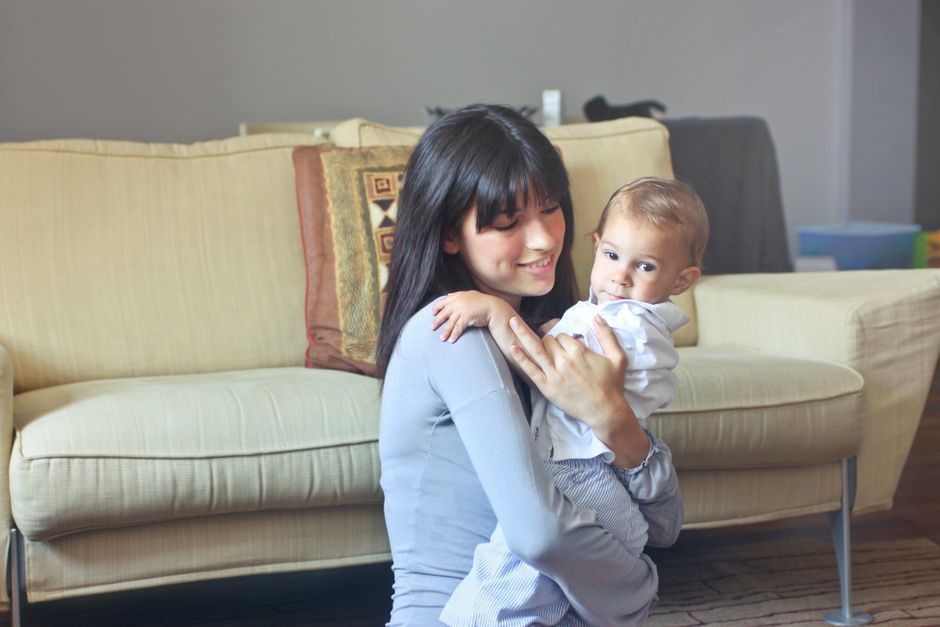
photorealistic professional caregiver sitting on a floor rug playing with a toddler natural sunlight warm home atmosphere high quality detail

The Role of Secure Attachment in Early Development

Secure attachment is the deep, emotional bond between a child and their primary caregivers. It is not just about love; it is about biological necessity. For first-time parents, the pressure to be the only source of this attachment can be overwhelming. However, research shows that children can form multiple secure attachments, and having a professional caregiver who understands this principle can actually strengthen the bond between parent and child.

When a caregiver is consistent and emotionally available, the child develops an "internal working model" of relationships. They learn that their needs will be met and that they are worthy of care. This creates a secure base from which they can explore the world. If a child knows they have a safe person to return to, they are much more likely to take the healthy risks necessary for learning, like trying a new puzzle or interacting with a peer at the park.

What is co-regulation and why does it matter?

Co-regulation is the process by which an adult uses their own calm nervous system to help a child settle theirs. Young children do not have the brain architecture to "calm down" on their own. Their prefrontal cortex, the part of the brain responsible for logic and emotional control, is still under construction.

When a toddler has a meltdown because their banana broke, they aren't being "difficult." They are experiencing a genuine neurological storm. A professional caregiver doesn't meet that storm with more wind (shouting or frustration). Instead, they act as the anchor. By staying calm, using a soft voice, and offering a hug or a quiet presence, the caregiver literally helps the child’s brain return to a state of equilibrium.

This practice is a core part of our early childhood education program . Over time, through repeated experiences of co-regulation, the child’s brain begins to build the pathways for self-regulation. They learn how to breathe through frustration because they have seen and felt it modeled for them thousands of times.

photorealistic caregiver helping a young child manage blocks encouraging expression of frustration and joy empathetic facial expression

Why is emotional intelligence in early childhood?

While it’s exciting when a toddler learns their ABCs, emotional intelligence (EQ) is the true predictor of long-term success. A child who can identify their feelings, empathize with others, and handle disappointment will thrive in school and in life. Professional caregivers prioritize these "soft skills" because they know they are the hardest to teach later in life.

When a caregiver notices a child is frustrated, they might say, "I see you're feeling frustrated because the blocks keep falling. It's okay to feel mad. Let's take a deep breath together." This simple interaction does three things: it validates the child's feeling, names the emotion (increasing literacy), and provides a tool for management. This is the foundation of EQ.

5 Strategies for building emotional intelligence

Professional caregivers use specific, science-backed strategies to help children develop their emotional muscles every day:

  1. Emotion Labeling: Giving words to feelings to reduce the intensity of big emotions.
  2. Scaffolding Independence: Offering just enough help so the child can succeed without getting overwhelmed.
  3. Active Listening: Giving the child full attention so they feel their voice and feelings truly matter.
  4. Modeling Empathy: Showing kindness to the child and others, demonstrating how to care for people’s feelings.
  5. Predictable Routines: Creating a schedule that provides the emotional safety of knowing what comes next.

How do professional caregivers handle behavioral challenges?

A professional approach to behavior is always child-centered and developmental. Instead of focusing on punishment, caregivers look for the "why" behind the behavior. Is the child hungry? Tired? Over-stimulated? Or are they simply testing a boundary to see if they are still safe?

By treating behavior as communication, professional caregivers can address the underlying emotional need rather than just the outward action. This prevents the child from feeling shame and instead teaches them better ways to communicate their needs in the future. This level of communication and professional standard is why many families choose to contact us to find the right fit for their home.

Creating a nurturing home environment

The environment plays a massive role in a child's internal state. A cluttered, loud, or chaotic home can lead to heightened stress levels for a developing brain. Professional caregivers are highly organized and maintain a sense of order that supports the child’s well-being.

This doesn't mean the house must be perfect, but it means that the child's spaces—the play area, the napping nook, the dining table, are intentional. When a child's environment is calm and predictable, their nervous system can rest. This "rest" is where growth happens. A caregiver who manages the rhythm of the day allows the child to focus on the "work" of childhood: playing, learning, and relating to others.

Start now with professional childcare for thoughtful families

Professional caregivers provide the foundational support your child needs to develop into an emotionally resilient and socially capable individual. By focusing on secure attachment, co-regulation, and empathetic communication, they offer more than just childcare, they offer a developmental advantage.

  • Secure Attachment: Builds the confidence to explore and learn.
  • Co-regulation: Teaches the brain how to handle stress and big feelings.
  • Emotional Literacy: Provides the language needed to express complex needs.
  • Social Confidence: Fosters empathy and the ability to connect with others.
  • Peace of Mind: Gives parents the assurance that their child is thriving emotionally.

If you are looking for a caregiver who prioritizes your child's neurodevelopment and emotional well-being, we are here to help. Our team at Totters combines expertise with genuine warmth to ensure your family feels supported every step of the way. Book a call with us today to learn more about how we can support your child’s journey.

Hello I ´m Montse Armesto

Pedagogue & Child Development Specialist, focused on Child Neuropsychology and Neurodevelopment. Certified in Positive & Gentle Parenting.


At Totters, we believe childcare can be so much more than supervision. By combining child development science and evidence-based early childhood practices, we create enriching in-home experiences that support children’s learning, confidence, curiosity, and overall development.

Download my free guide

Moving to Guadalajara, Mexico
July 2, 2026
Moving to Guadalajara, Mexico, with your family? Honest expat insights on safety, cost of living, best neighborhoods, flights, and raising kids in GDL.
confident children
By Montserrat Armesto June 24, 2026
Learn how confidence develops in children and what research says about independence, resilience, self-worth, and the everyday experiences that help children thrive.
development-focused childcare
June 22, 2026
Explore why high-achieving parents build strong support systems with developmental focus childcare to balance career and family success.
Child Development
June 22, 2026
Discover how caregiver influence on child development goes beyond basic supervision to shape emotional intelligence, neurodevelopment, and lifelong skills.
By Montserrat Armesto June 20, 2026
Evidence-based insights on how parents can help their children build confidence through daily interactions, meaningful responsibility, and responsive relationships.
Professional caregiver
June 20, 2026
Learn how to choose exceptional in-home childcare with our expert guide. Focus on neurodevelopment, bilingualism, and professional standards for your child.

Disclaimer:

All advice is not legal advice and consult with your local entities for accurate data the blog is for informational purposes only

Some of the links on this page may be affiliate links, though not all of them are. This means we may earn a small commission if you use certain links, at no extra cost to you. We only include services or resources we believe may be useful, but you should always compare options and choose what works best for your situation.