

Moving to Mexico City: Safety, best neighborhoods, schools, and practical daily-life tips
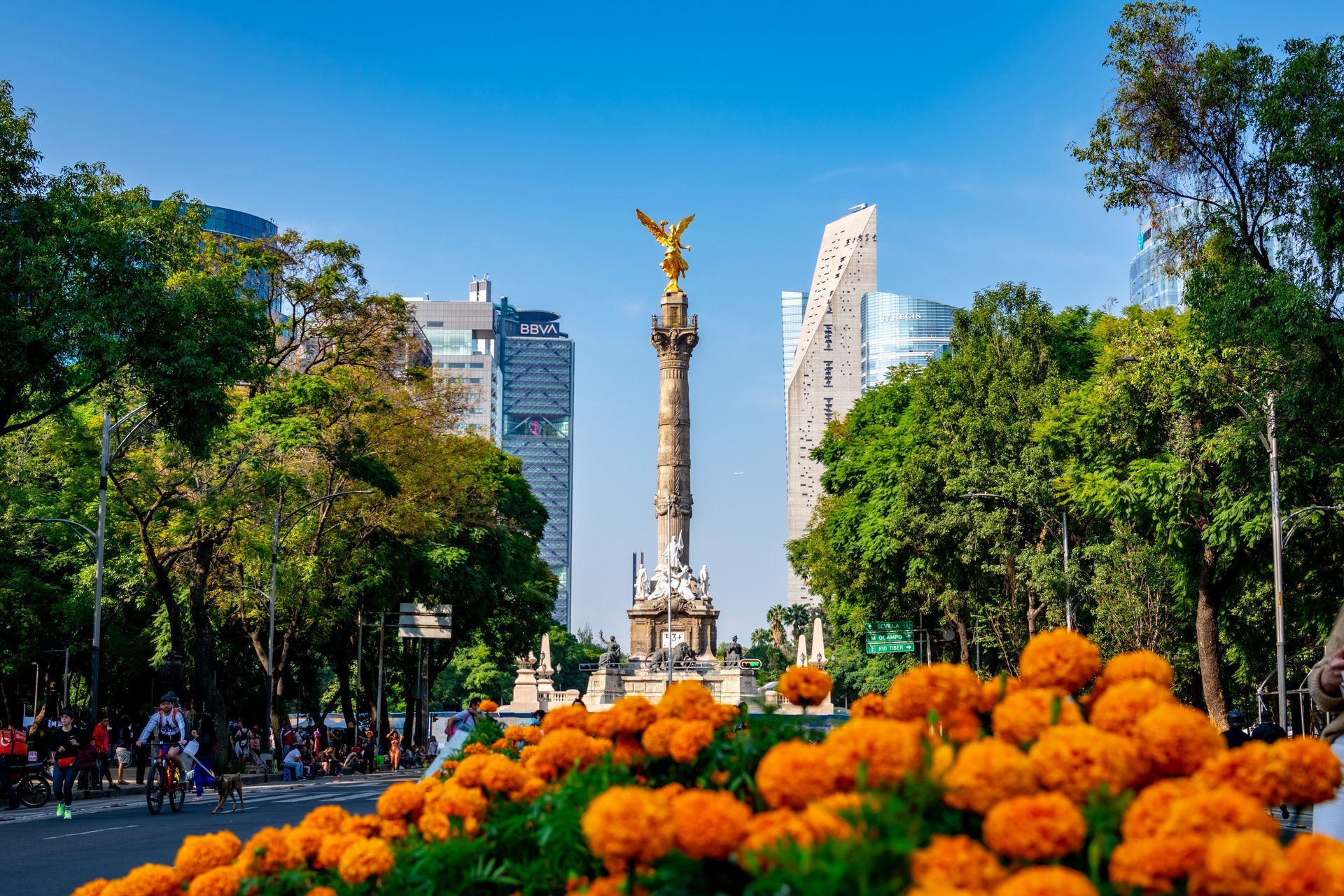
Mexico City does not ease you in gently. It arrives all at once: the scale of it, the noise, the beauty, the chaos, the extraordinary food on every corner, the traffic that makes no sense, and somehow always moves. For international families relocating here, the first weeks can feel equal parts exhilarating and overwhelming. And then, usually around month two or three, something shifts. The city starts to make sense. You find your neighborhood rhythm, your market, your pediatrician, your favorite Sunday spot. And you begin to understand why so many families who come for a year end up staying for five.
This guide goes deep into the city itself: the neighborhoods, the schools, the daily rhythms, and the practical realities that guidebooks tend to skip. If you want the broader picture of relocating to Mexico, read our full guide to relocating to Mexico with children. This one is specifically about life in CDMX.
I'm Montserrat, founder of Totters Care. I support international families relocating to Mexico City and throughout Latin America with professional, in-home childcare and early learning. Explore our in-home childcare services to understand how we can support your family during this transition.
Is Mexico City family-friendly?
More than most cities of its size, yes. Mexico City is genuinely oriented around family life in a way that surprises most newcomers from the US or Europe. Children are welcomed everywhere — in restaurants, cafes, museums, markets, parks — without the quiet tension you might feel in more adult-centered urban environments. Families eat out together at all hours. Children run through plazas on Sunday afternoons. There is a warmth and inclusivity around children in public spaces that becomes one of the things expat families love most about living here.
The city also has an extraordinary amount to offer families in terms of culture, nature, and experience. World-class museums including the Anthropology Museum and Papalote Museo del Niño. Enormous urban parks like Bosque de Chapultepec. Weekend markets, cycling routes, cultural festivals, and neighborhood events that change the texture of the city every week.
Is Mexico City safe?
Mexico City is a safe city for expat families who live in the right neighborhoods and practice basic urban awareness. Some practical realities worth knowing:
- Avoid walking alone late at night in unfamiliar areas, even in generally safe neighborhoods
- Keep your phone in your pocket on the street — displaying it unnecessarily draws attention
- Avoid ostentatious jewelry or accessories in public spaces, regardless of neighborhood
- Some areas are not recommended for expat families: Tepito, Ecatepec, parts of Doctores, some areas of Iztapalapa, Ciudad Neza, and areas around Indios Verdes at night
- Google Maps routing is not always safety-aware — your chofer, neighbors, and local expat communities will give better real-world routing advice
- Keep digital copies of all important documents (passport, visa, CURP, insurance cards) stored securely in the cloud
- For marketplace transactions through WhatsApp or Facebook Marketplace, meet in a public place
- The fastest and most reliable safety intelligence always comes from locals
Where to live in Mexico City? Choosing the right neighborhood
Mexico City is made up of dozens of distinct neighborhoods (colonias), each with its own personality, price point, and practical profile. For international families, the choice of neighborhood is one of the most important early decisions — it shapes daily life more than almost anything else.
Polanco — the most international, the most polished
Polanco is where you go if you want the Mexico City experience with the least friction. It is the most international neighborhood in the city: home to embassies, multinational company headquarters, high-end international schools, and a concentration of restaurants, cafes, and services catering specifically to expat families. Streets are clean, walkable, and well-maintained. Security is visible. English is widely spoken in businesses and services.
The trade-off is cost: Polanco is one of the most expensive neighborhoods for both rental housing and daily life. Rental prices for a three-bedroom apartment range from roughly $2,500 to $5,000+ USD per month. For families arriving with young children who need to settle quickly and minimize logistical friction, Polanco delivers.
Condesa and Roma — the creative, walkable sweet spot
Condesa and Roma Norte are where most expat families with a slightly more independent streak end up. These two adjacent neighborhoods offer tree-lined streets, excellent cafes and restaurants, strong walkability, a thriving local creative culture, and a genuine mix of Mexican and international residents. Parque México in Condesa and the nearby Parque España are both genuinely wonderful urban parks.
Condesa and Roma are more affordable than Polanco: a well-appointed three-bedroom apartment typically runs between $1,800 and $3,500 USD per month. The main practical consideration for families is that international schools are not within walking distance and will require a school driver or reliable transportation arrangement.
Santa Fe — the corporate hub for families who drive everywhere
Santa Fe is Mexico City's corporate district: a cluster of glass towers, shopping malls, international company offices, and residential developments on the western edge of the city. It is entirely car-dependent and feels less like a neighborhood and more like an edge city. For families relocating for corporate reasons — often with a company-provided housing budget and a company car — Santa Fe has practical advantages: proximity to many multinational offices, a high concentration of international schools, and large modern apartments. The American School Foundation's main campus is located here.
Lomas de Chapultepec — space, quiet, and old-money elegance
Lomas is one of Mexico City's most established residential areas: wide streets, large houses and apartments, mature trees, and a quieter pace than the more central colonias. It attracts families who prioritize space, privacy, and security over walkability and neighborhood buzz. Many long-term expat families and members of the diplomatic community live here. Its proximity to Bosque de Chapultepec makes weekend life genuinely pleasant.
Coyoacán — cultural depth, slower pace, southern charm
Coyoacán is the neighborhood that makes people fall in love with Mexico City in a different way. Historic, cobblestoned, culturally rich — this is the neighborhood of Frida Kahlo, of the Leon Trotsky museum, of the best weekend market in the city. It sits in the south of the city and feels worlds away from the corporate north. For families who work remotely or have flexibility, Coyoacán offers something the northern neighborhoods cannot: genuine historic Mexican urban character at a more accessible price point.
San Ángel — quiet, residential, and genuinely beautiful
Adjacent to Coyoacán and equally historic, San Ángel is one of the most architecturally beautiful neighborhoods in the city, with colonial buildings, flower-filled streets, a famous Saturday market, and a residential calm that is hard to find this close to a megalopolis. For expat families with children who want to feel genuinely embedded in Mexican cultural life while maintaining a comfortable, safe residential environment, San Ángel and Coyoacán together are an excellent option.
Schools in Mexico City
School selection is one of the first and most consequential decisions relocating families make. The city has a genuinely strong offering of international and bilingual schools. The practical reality is that the best schools have waiting lists, require significant deposits, and are concentrated in specific parts of the city — making your neighborhood and school choices deeply interconnected.
- The American School Foundation (ASF) — one of the most established international schools in Latin America, following a US curriculum with IB options. Main campus in Santa Fe. Waiting lists are real — apply before you arrive.
- Liceo Franco Mexicano — one of the city's major French schools, a strong option for families looking for a French curriculum or European academic pathway.
- Instituto Irlandés — Irish-founded, strong bilingual program, popular with families who want genuine bilingual immersion rather than an international bubble.
- Kuriwi — a good option for families looking for a more alternative, community-oriented, child-centered educational environment.
- Sierra Nevada — a respected bilingual school network with campuses in key family-friendly areas, often considered for strong academics with a local Mexican school experience.
- Humanitree — a progressive bilingual school popular among families looking for a creative, modern, and globally minded environment.
Getting around Mexico City with a family
Uber and DiDi: the daily fallback
Uber and DiDi operate reliably across all major expat neighborhoods in Mexico City and are significantly safer and more practical than flagging down street taxis. Both apps work exactly as you would expect, prices are reasonable, and both platforms have solid service records in the city. For the occasional trip when your chofer is unavailable or for shorter errands, Uber and DiDi are the go-to options for expat families. The practical rule: app-based transport always, street hails avoided.
Practical guide and tips for daily life
WhatsApp is how everything works
If you want to communicate with anyone in Mexico City — your building administrator, your children's school, your doctor, your plumber — the answer is WhatsApp. Not email. Not phone calls. Not SMS. WhatsApp. Professional communication, neighborhood coordination, school updates, service bookings — all of it happens on WhatsApp. Set it up, use it, and do not expect reliable email responses.
El ahorita mexicano
Ahorita is possibly the most important word to understand when moving to Mexico City. In theory it means "right now" or "in a moment." In practice, it means anywhere from five minutes to never, and the difference is conveyed entirely through tone and context that takes time to learn. This is not rudeness or unreliability — it is a genuinely different relationship with time and commitment that, once you understand it, becomes navigable and even charming. The practical advice: always confirm, always follow up on WhatsApp, and build buffer time into anything that involves a service appointment.
When it rains, everything stops
Mexico City sits at 2,240 meters above sea level in a valley surrounded by mountains, and from May through October, the city receives heavy afternoon and evening rainfall. When it rains hard in CDMX, traffic can go from difficult to completely gridlocked in under thirty minutes. Streets flood. Uber surge pricing activates. Your twenty-minute school pickup becomes ninety minutes with no warning. Build this into your mental model of the city from day one — plan school pickups and important appointments around the rain window during the rainy season.
Cash still matters in Mexico City
Card payments are widely accepted in restaurants, supermarkets, and established businesses across expat neighborhoods. But in markets, tianguis, small local businesses, street food stalls, and many neighborhood services, cash remains king.
Ready to bring your family to Mexico City?
Mexico City will surprise you. It will overwhelm you occasionally and delight you constantly. It will become, for most families who give it a real chance, one of the most formative and rewarding places they have ever lived. What makes the difference between a difficult transition and a genuinely good one is whether your children feel safe, settled, and supported amid all the newness.
That is exactly what Totters Care is here for. Explore our professional and educational-focused childcare service: nanny in Mexico City.

Hello I ´m Montse Armesto
Pedagogue & Child Development Specialist, focused on Child Neuropsychology and Neurodevelopment. Certified in Positive & Gentle Parenting.
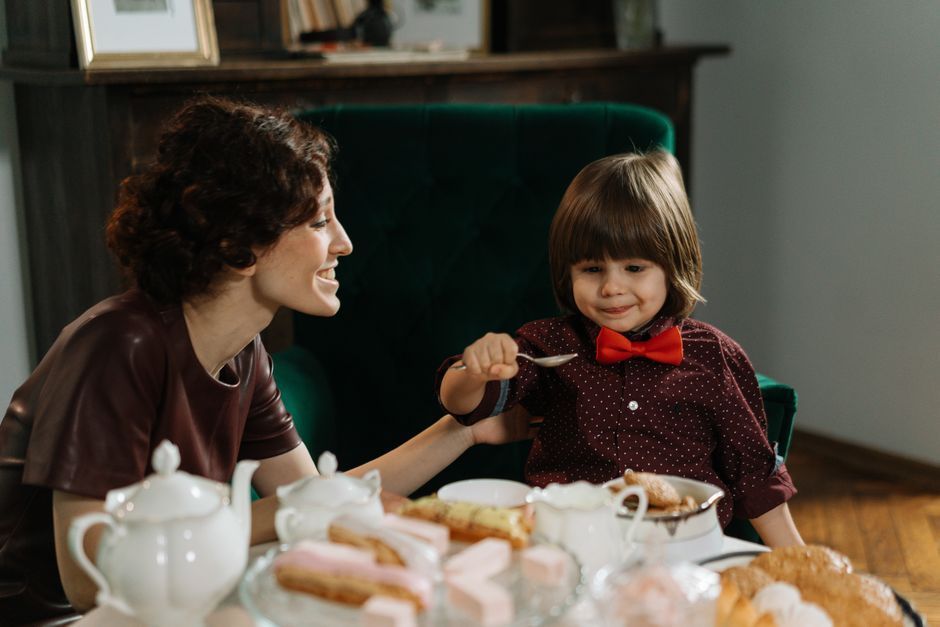
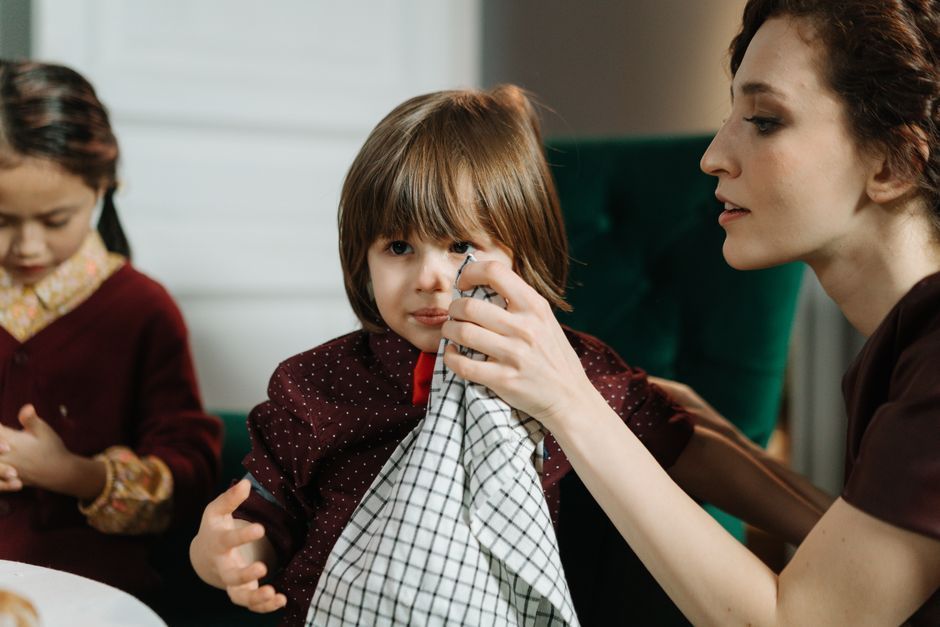
At Totters, we believe childcare can be so much more than supervision. By combining child development science and evidence-based early childhood practices, we create enriching in-home experiences that support children’s learning, confidence, curiosity, and overall development.
Download my free guide


Disclaimer:
All advice is not legal advice and consult with your local entities for accurate data the blog is for informational purposes only
Some of the links on this page may be affiliate links, though not all of them are. This means we may earn a small commission if you use certain links, at no extra cost to you. We only include services or resources we believe may be useful, but you should always compare options and choose what works best for your situation.